
The Sickness Spiral

I’m sure when I was younger I remember running around snotty-nosed like it was nothing. Rocking up to harriers, running around in bare feet, feeling strong, affected by nothing.
These days a scratchy throat develops into congestion and fatigue. I feel like that’s been my story for the last few months: battling through from one sickness to the next (I blame Hudson - hah just kidding).
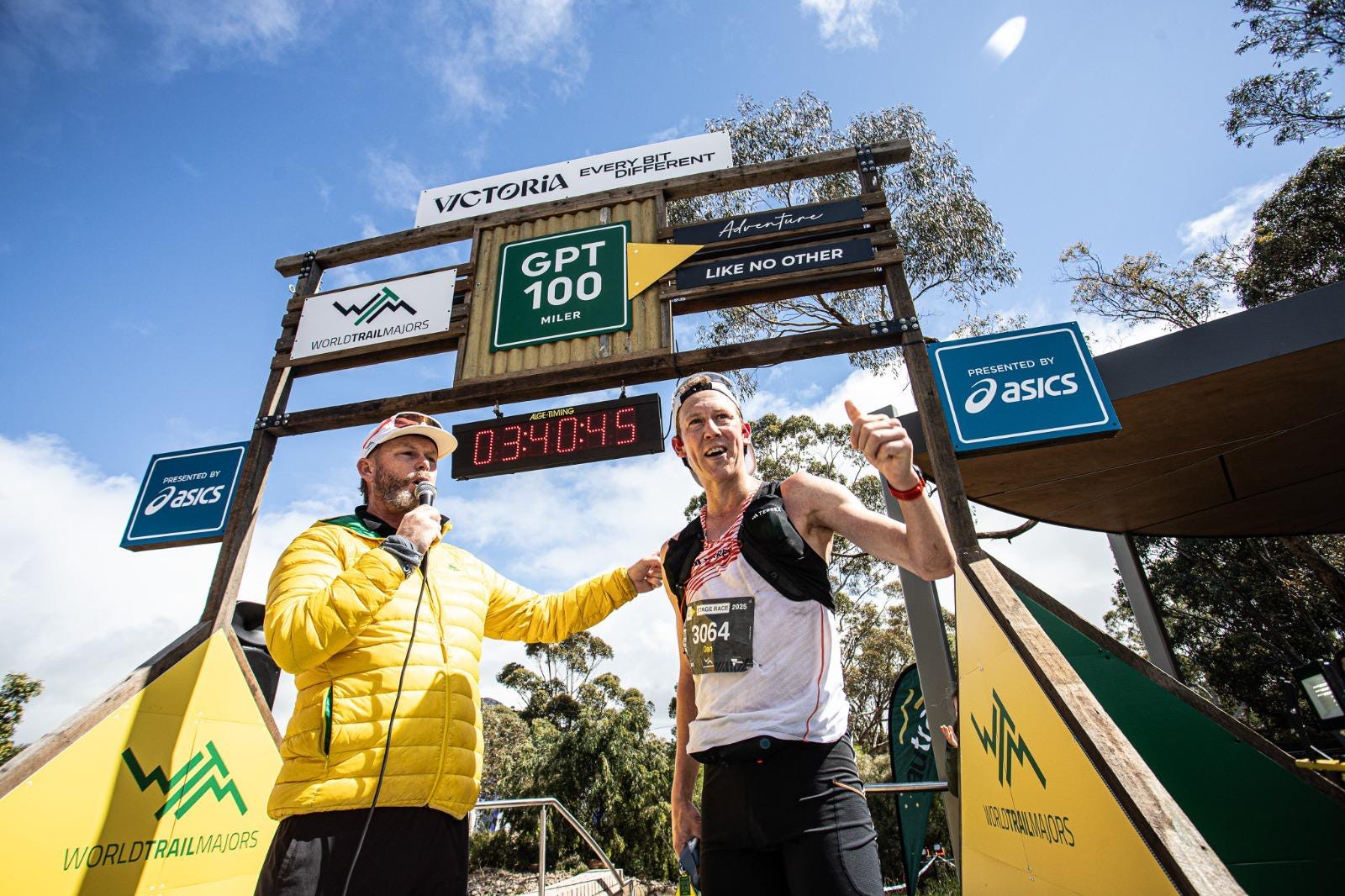
But yea, it’s been a rough week since GPT. Running the immune system down led to a pretty rough cold. I brought that home to the family and it hasn’t been a happy household since then, but we’re getting through it.
I’ve also made a couple of mistakes. One was thinking that rushing home after the race on zero sleep, after racing and travelling, would lead to a great outcome. The intention was there: get home, see the family. But I didn’t respect that the immune system was absolutely run down. Adding travel bugs onto a fragile system was a recipe for disaster. But that’s how it went.
I’ve mostly recovered from the sickness now, as the family continues to struggle away. But with the Kepler Challenge coming up fast, I forced a workout today. Just went a bit too hard than needed.
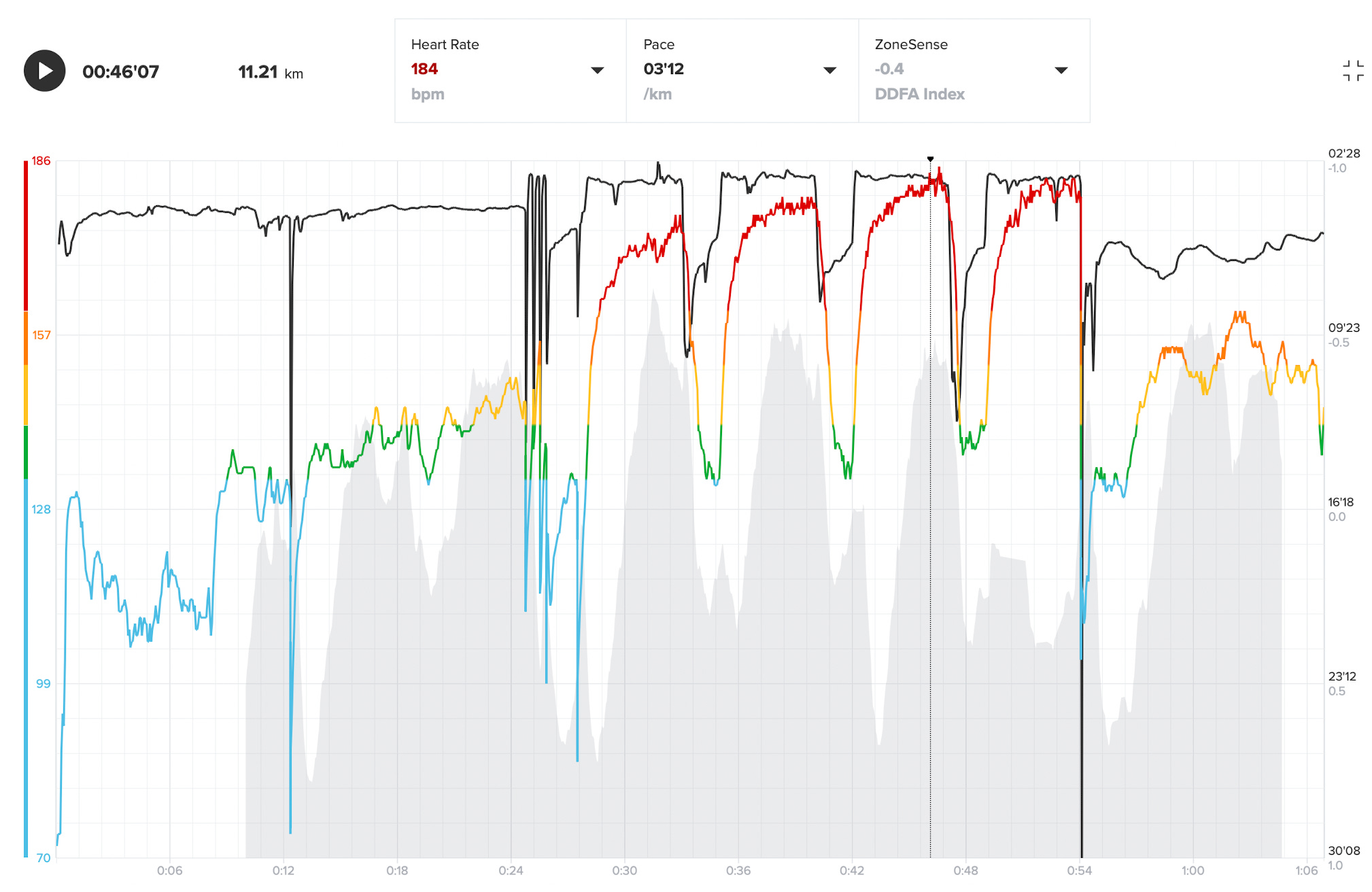
That was another mistake. I felt wiped afterwards, even in my cool-down. Let’s hope it doesn’t set me back too much.
So therein lies the question: how does training and sickness actually work? Usually I’d say it’s very dependent, but these are the rough guidelines I try to stick to.
Training Through Sickness and What I Try to Follow
• Get past the worst of the cold.
If it’s a bad cold, I don’t want to be training with congestion in the lungs.
• If the fatigue is overwhelming, wait.
If you feel completely wiped, at least allow your energy levels to start coming back before doing anything.
• Snot tells you something.
If you’re firing snot balls, they should at least be clear. This was a clear (or not so clear) sign to me post-workout today that I may have overdone things.
• Pay attention to post-run fatigue.
If a run hits you harder than it should, that probably means the intensity was too high and recovery isn’t there yet.
• Factor in non-running stress.
Travel, family sickness, poor sleep, work stress — it all adds load your body has to recover from, and sometimes running is just too much on top.
Okay, all of this is fairly anecdotal.
But it’s worth saying this too: long ultras and travel absolutely smash your immune system. That’s not a guess, the research backs it. Big races, sleep loss, and long-haul flights all drop immune markers and make you way more vulnerable to catching whatever’s going around. The rest is just my lived experience trying to navigate that.
But some data-driven things I watch out for are HRV and making sure it’s coming back up.
If HRV is still suppressed, it’s usually a sign the immune system and autonomic system aren’t fully recovered.
I also look at resting heart rate. Both overnight and through the day. When my resting HR comes back to the level I know it should be, that’s usually a good sign things are settling. If it’s elevated or bouncing around, that’s a red flag.
And then there’s heart rate sensitivity during running. If my HR spikes higher than it should or feels ultra-sensitive to small changes in intensity, I know I’m not quite myself. A good example is hitting 185 bpm in my 5-minute intervals today. Way higher than that effort should have been and highest max that I’ve seen for a while
Thanks Suunto for helping me track this data daily.
So yea in all honestly, the hardest part isn’t being sick. It’s accepting that backing off now is what actually gets you to the next start line healthy. That patience is still a work in progress for me.
Patience is key with injury and sickness, but not something you’ll get right one hundred percent of the time. So yea, listen to the body. Follow the cues. And here’s to happy, congestion-free running.
Post writing update:
The following day I had a really solid two hour run in the hills and felt strong. So who knows, maybe the 4 x 5 minute intervals the day before helped blow out the cobwebs. In any case we keep moving forward and always trust the body to do it’s thing. Nothing is cut and dry, trust the process.
Any time I get sick, it’s always after a Miler. Thankfully I dodged it after GPT.
Totally agree regarding RHR. It’s a great indicator for many things and it takes no effort to monitor with a decent watch
Mate always a high risk of sickness once you mentally switch off for a season too (but I still blame Hudson) 😂😂